01
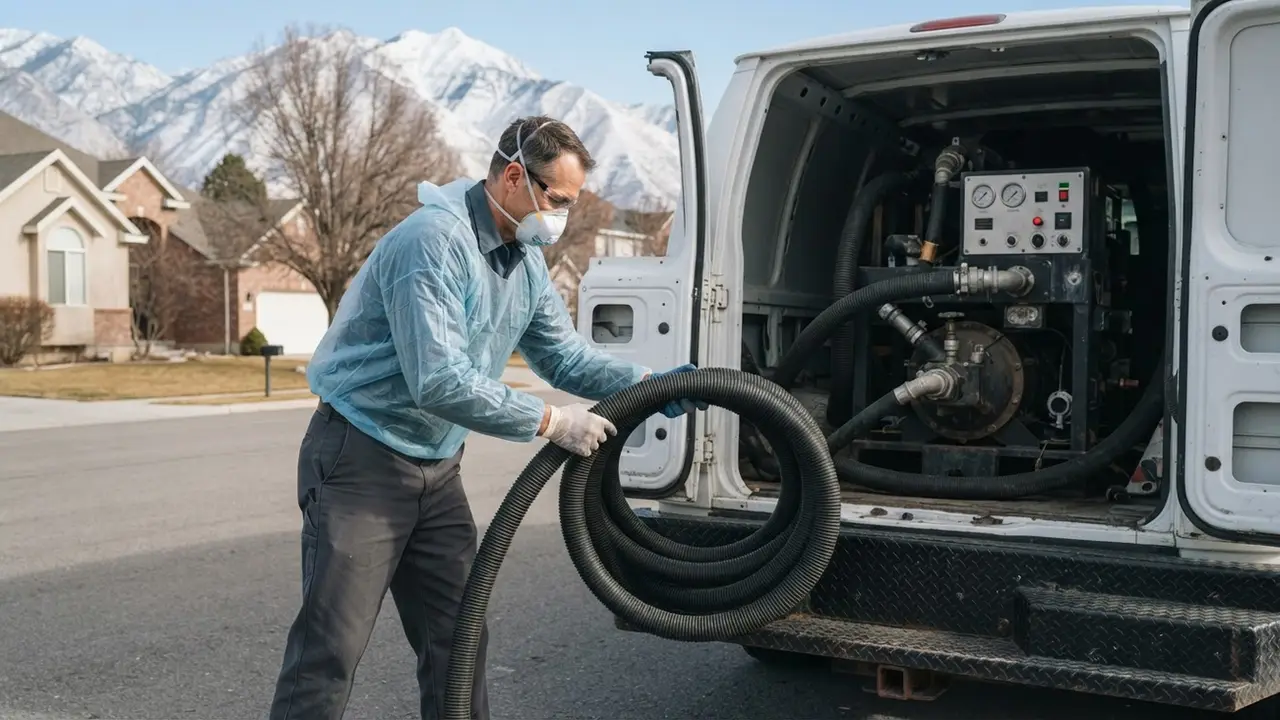
Emergency Call and Dispatch
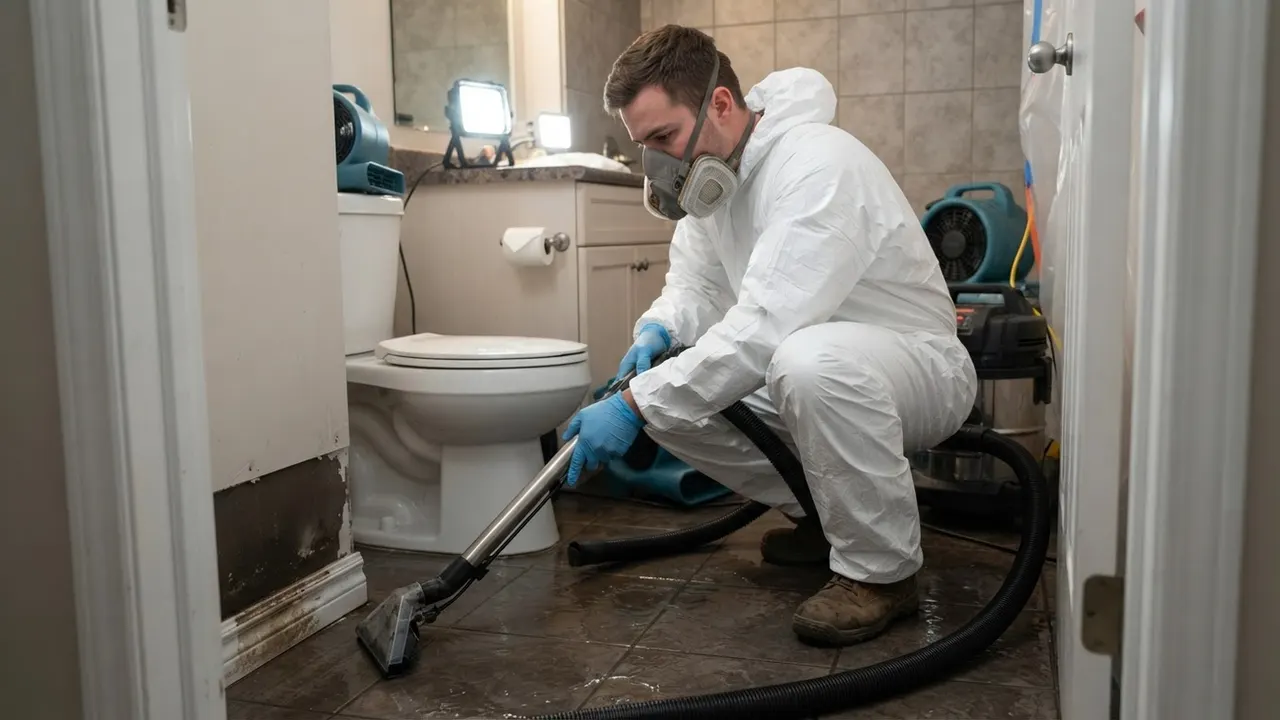
You call, we answer. We ask three questions - address, water source, and whether the power is safe - then dispatch the nearest crew. Most Orem addresses see a technician within 60 to 90 minutes. We bring extraction units, air movers, dehumidifiers and moisture meters on the first trip so we are not making two trips.
02
Inspection and Water Source
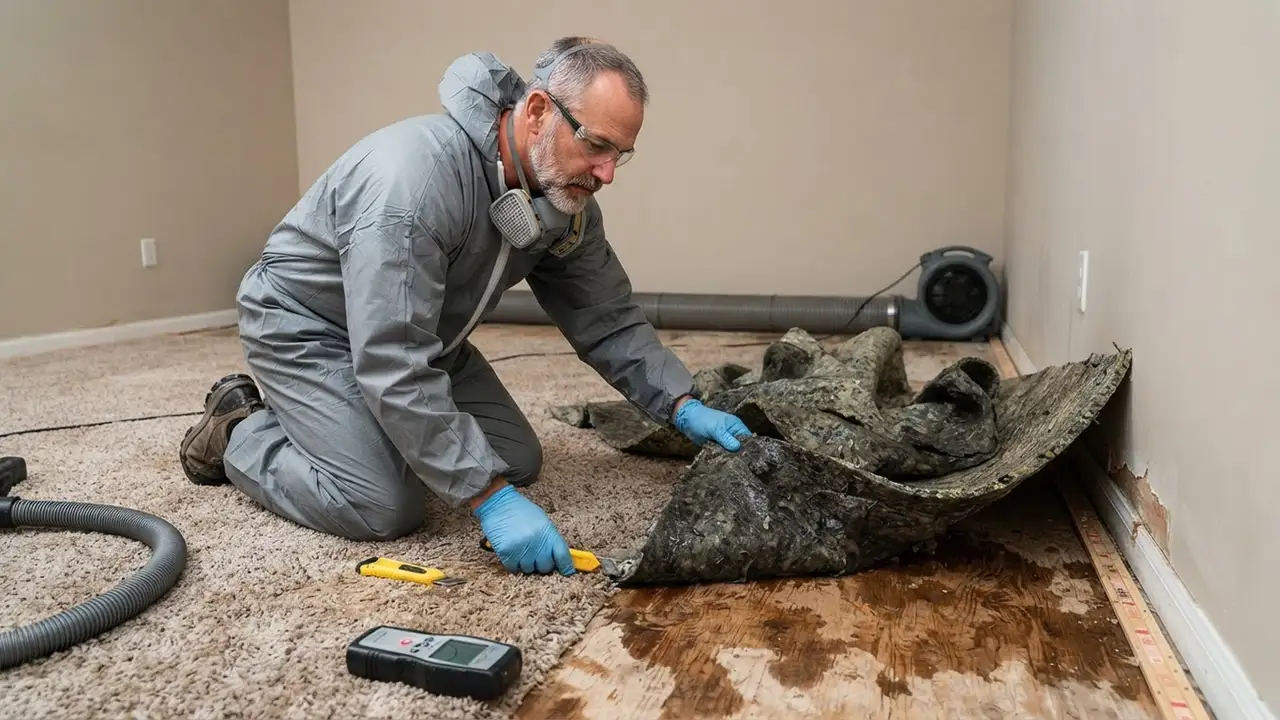
Before we pump anything, we find where the water came from. A slab leak, a burst pipe, a sewage backup and storm water intrusion all require different handling. We use thermal imaging cameras and moisture meters to map the wet zone, then shut off the source or isolate the line so the basement stops refilling while we work.
03
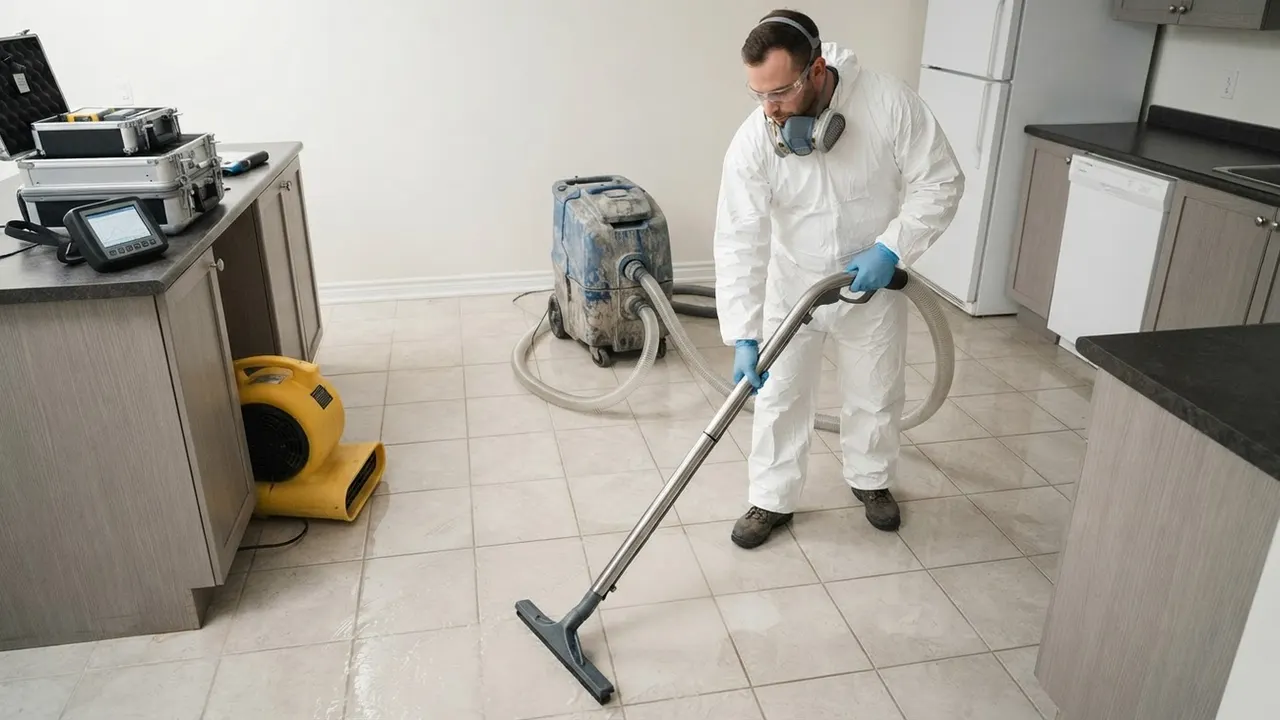
Extraction and Debris Removal
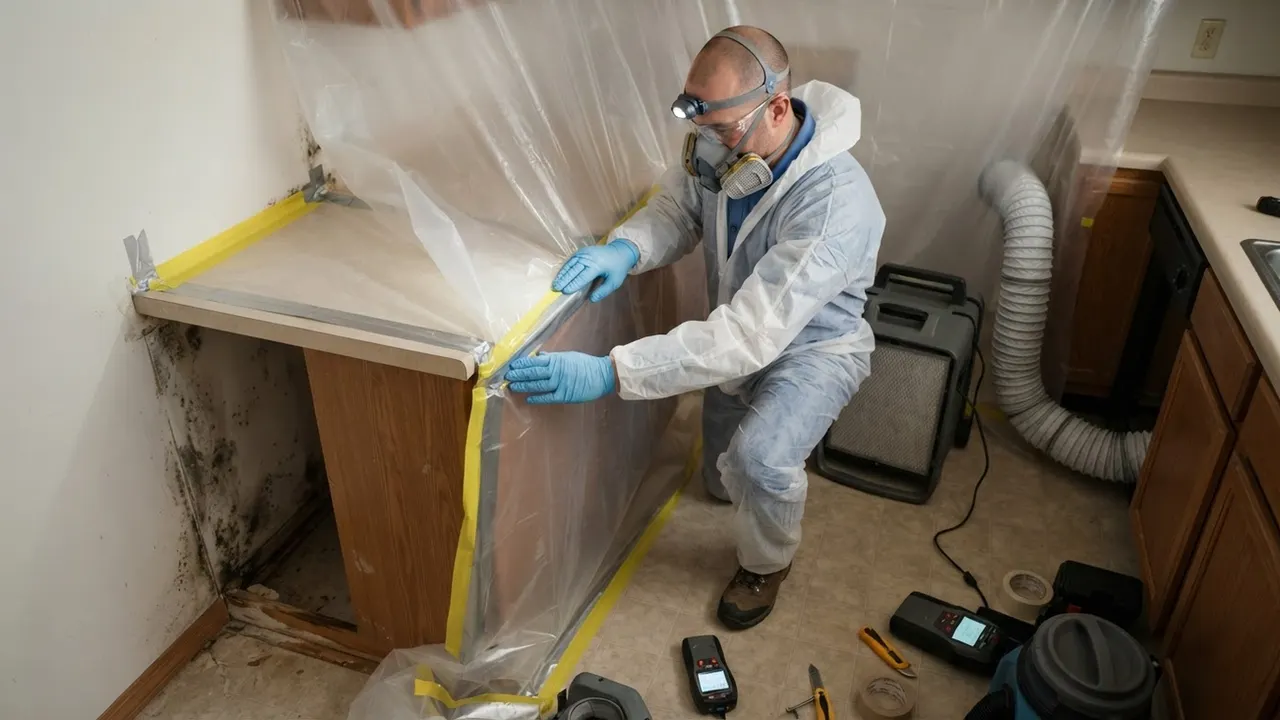
Truck-mounted and portable extraction units pull standing water fast. We remove saturated carpet, pad and any drywall that has wicked more than 12 inches up the wall. Sewage-contaminated water gets a different protocol - full PPE, antimicrobial treatment and bagged disposal per ANSI/IICRC S500 standards.
04
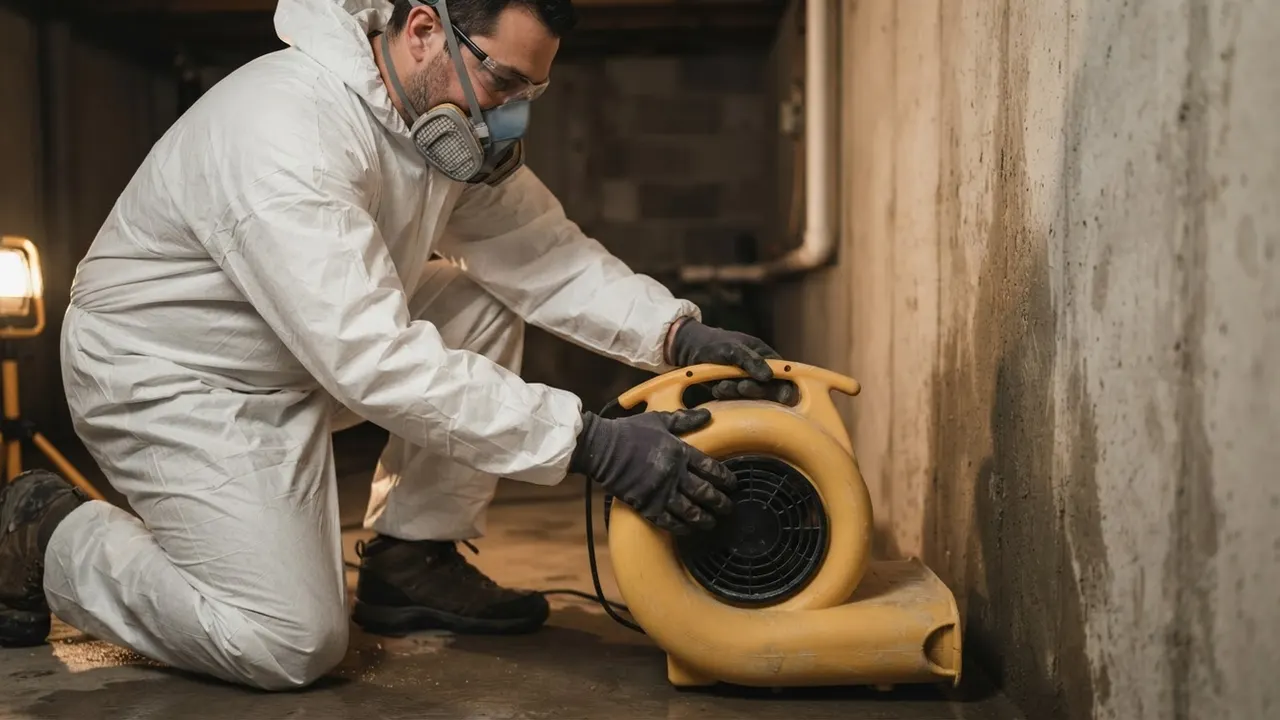
Drying and Dehumidification
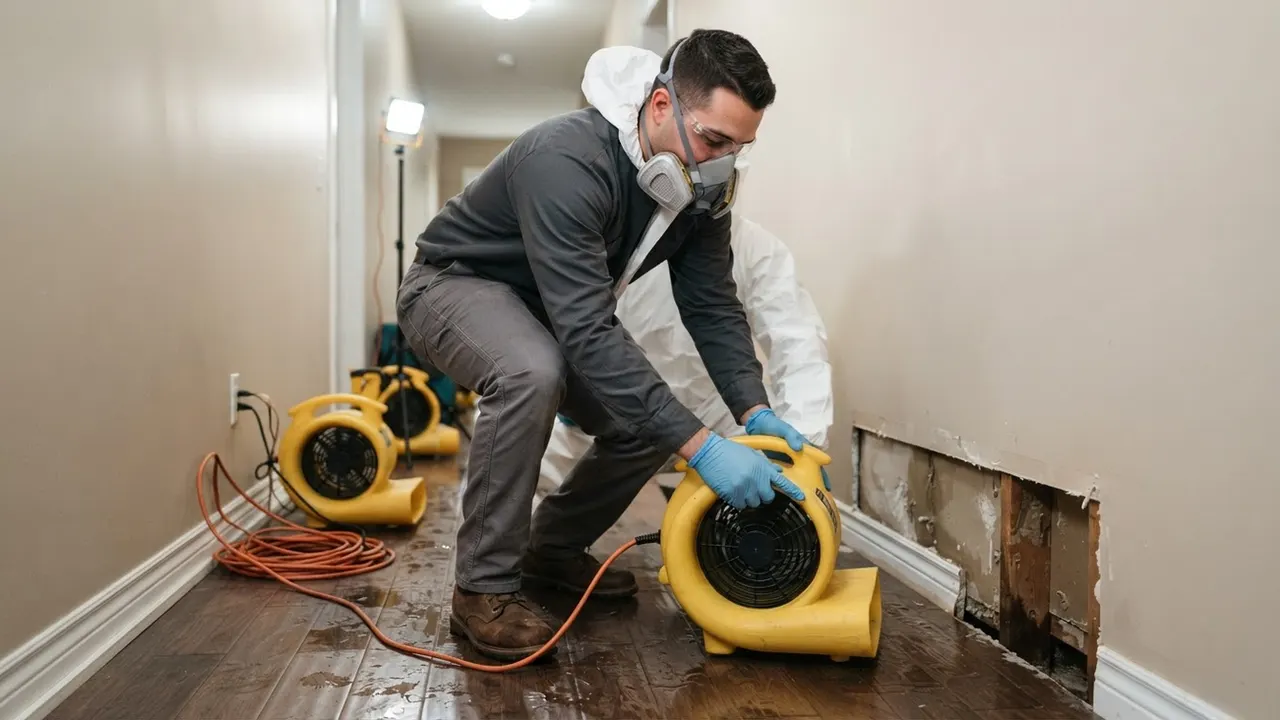
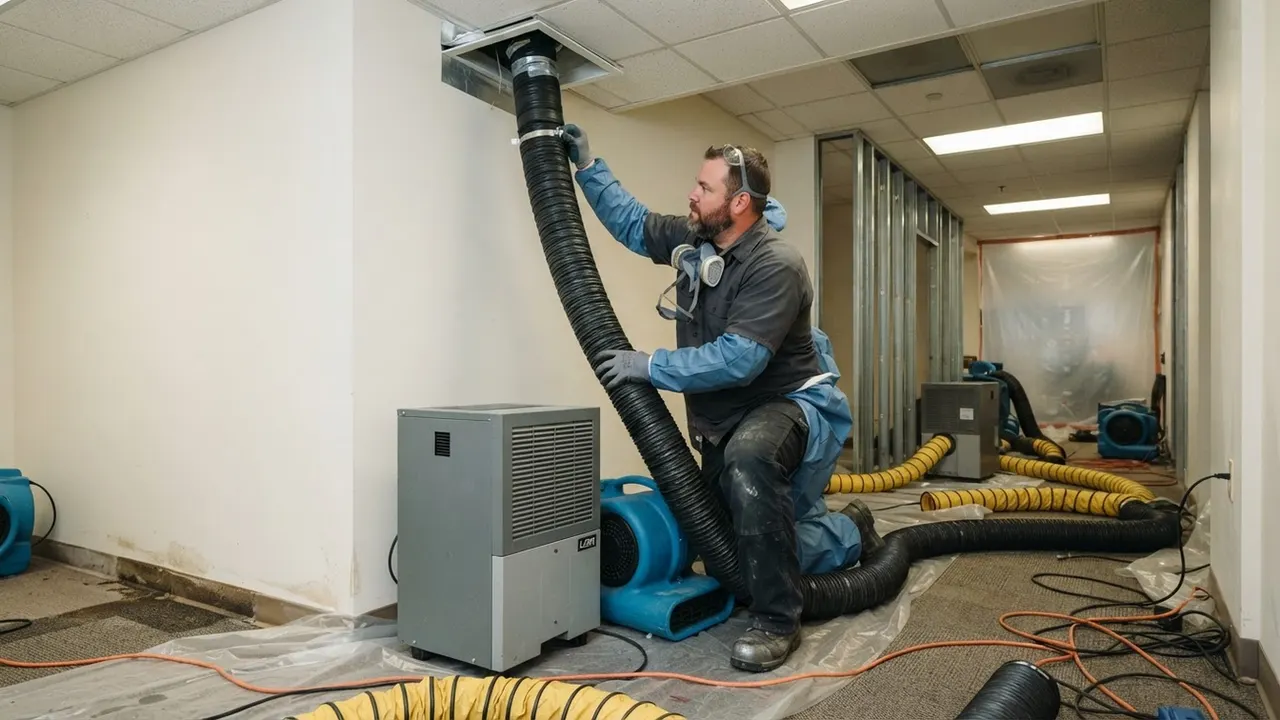
We set industrial air movers and dehumidifiers based on the square footage and material types. Floor drying mats pull moisture out of hardwood and engineered flooring. Desiccant dehumidifiers handle cool, damp basements where refrigerant units struggle. We check moisture readings daily and adjust until the structure is dry.
05
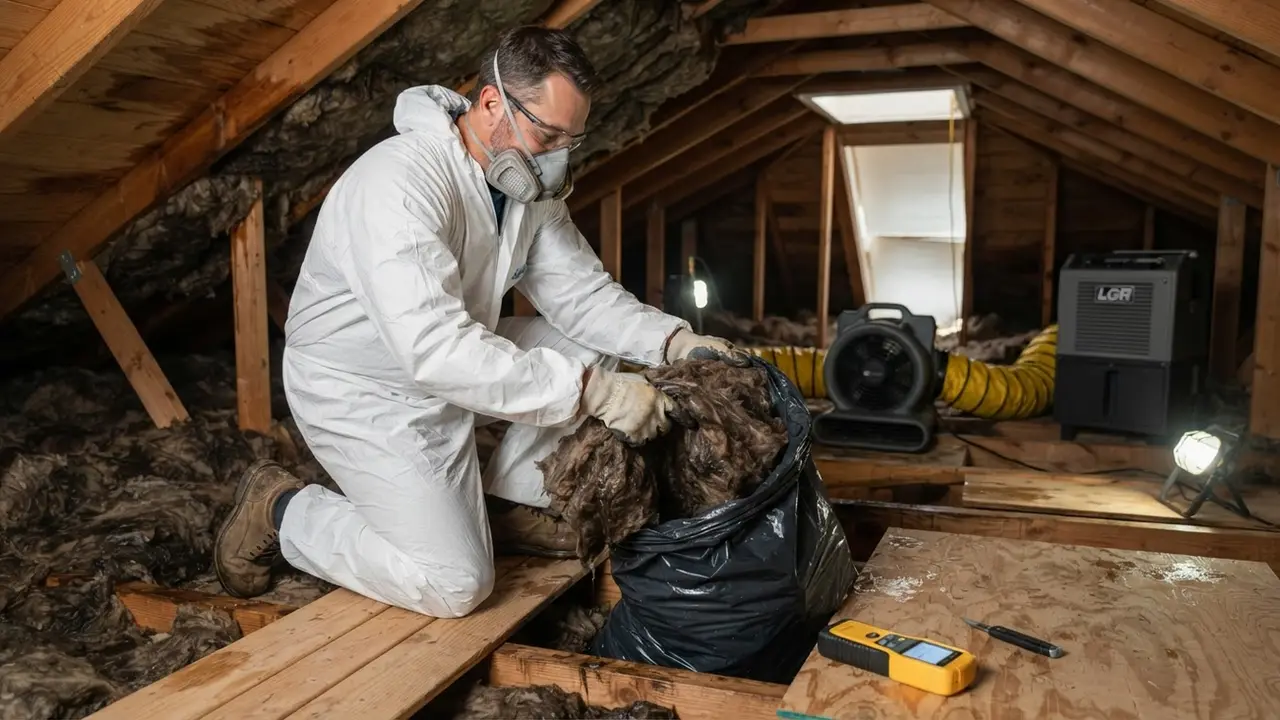
Final Verification and Report
We do not pack up until moisture meters read dry against a known-dry baseline. You get a written drying report with daily readings, photos and equipment logs - the documentation your insurance adjuster needs. We also walk you through what to watch for over the next two weeks.